August 18, 2026
Tree care and routine landscape maintenance are vital components of responsible property ownership. While mature trees add immense aesthetic value, shade, and ecological benefits to residential neighborhoods, overgrown, diseased, or structurally compromised trees pose severe safety risks. Severe weather, internal rot, and root destabilization can turn a majestic landmark into a hazardous liability capable of inflicting catastrophic property damage or bodily injury. Understanding the warning signs of hazardous timber, the physical mechanics of professional arborist work, and the preventative value of professional intervention allows homeowners to maintain a secure and beautiful outdoor space. By partnering with certified specialists for local tree removal, property owners protect their families, safeguard their financial investments, and ensure long-term peace of mind.
Identifying Hazardous Trees and Understanding Failure Risks
Identifying hazardous trees before they fail unexpectedly is essential for preventing domestic accidents and structural home damage. Trees that lean unnaturally, exhibit deep vertical cracks in the trunk, or show visible signs of root decay require immediate evaluation by a trained specialist. Internal hollows and fungal growths along the trunk base frequently indicate advanced internal decomposition. According to the University of Maryland, you should consider tree removal if one-third of the tree's interior is hollow or rotten. Routine visual inspections following severe rainstorms or high wind events allow homeowners to spot structural defects early and request professional local tree removal before a catastrophic failure occurs.
Tree failure rarely happens without underlying environmental or biological causes. Prolonged drought, nutrient-deficient soil, severe windstorms, and winter ice accumulation place massive mechanical strain on tree structures. Furthermore, invasive insect infestations and fungal diseases deteriorate heartwood internally, secretly undermining structural integrity over several years. Human activities, such as home construction, utility trenching, or excessive soil compaction, frequently damage delicate root systems, making mature trees vulnerable to windthrow. Understanding these underlying environmental stress factors enables homeowners to take proactive management steps rather than reacting to sudden structural failures.
Dead or dying trees present an immediate, unpredictable threat to surrounding homes, vehicles, and pedestrians. Brittle, dead branches can snap without warning under the weight of light winds or snow accumulation. Furthermore, entirely dead trees lack the root strength to anchor themselves during violent weather, making them primary liabilities during severe storms. Overlooking obvious signs of tree decline can also complicate homeowners insurance claims, as policy providers may cite owner negligence if a known hazardous tree falls. Timely intervention through professional local tree removal mitigates these risks, protects structural assets, and ensures continuous safety across your property.
The Role of Certified Arborists and Advanced Safety Protocols
Certified arborists undergo rigorous training in tree biology, structural mechanics, and hazardous risk assessment. Their technical expertise allows them to diagnose internal decay, evaluate root anchorage, and identify subtle structural weaknesses invisible to the untrained eye. Beyond identifying structural defects, arborists determine whether a tree can be preserved through corrective pruning, cabling, or bracing, or if complete extraction is necessary. Utilizing certified professionals for local tree removal ensures that technical assessments follow established industry standards, protecting property aesthetics while eliminating immediate safety risks.
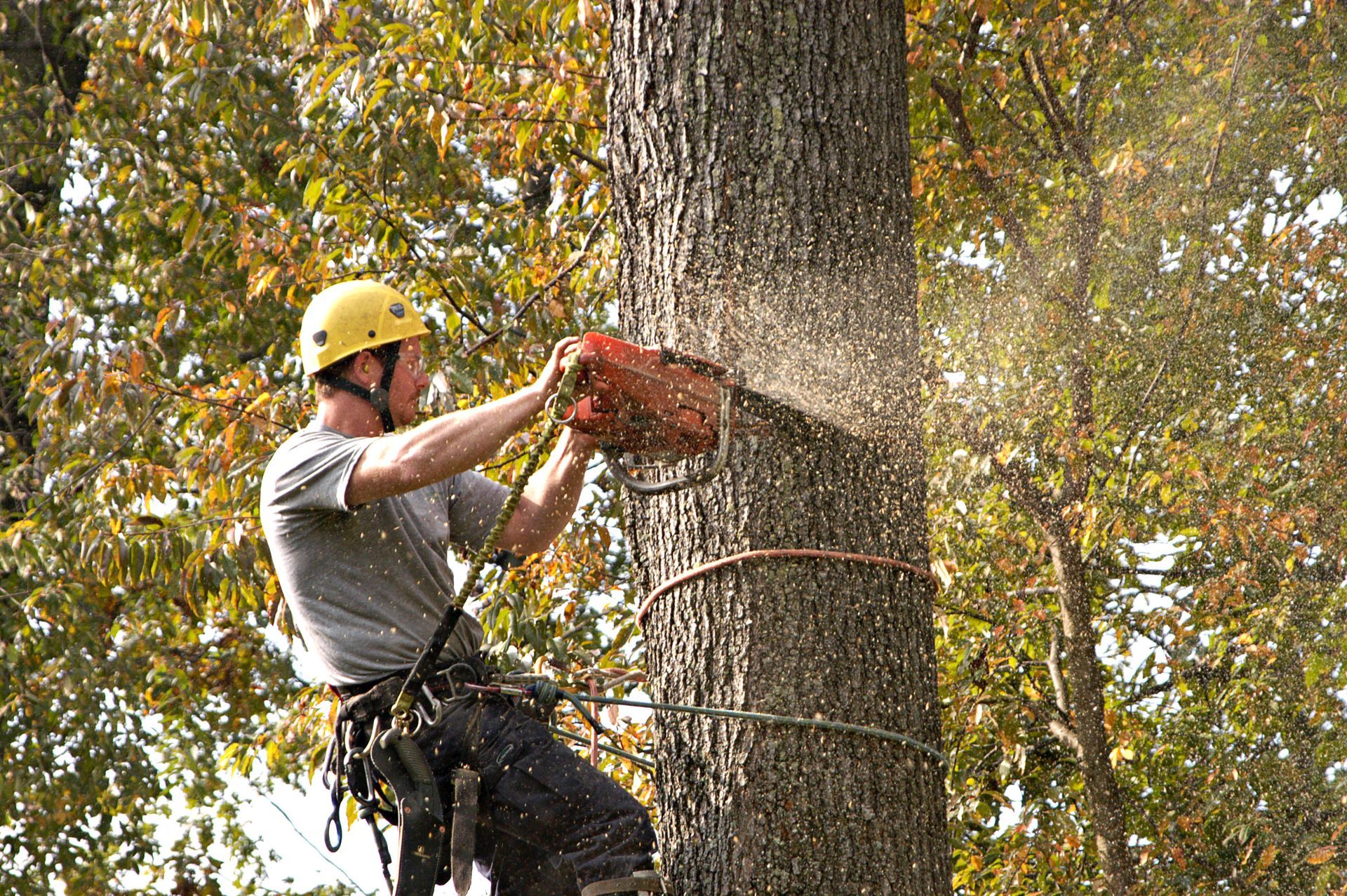
Safely lowering multi-ton trees within tight suburban spaces demands specialized heavy machinery and technical rigging techniques. Professional crews utilize heavy-duty cranes, bucket trucks, aerial lifts, industrial wood chippers, and high-capacity chainsaws to execute complex removals cleanly. Rigging systems featuring friction brakes, specialized blocks, and high-tensile synthetic ropes allow arborists to dismantle massive trunks piece by piece, lowering heavy sections to the ground without damaging lawns, gardens, or adjacent structures. This level of technical precision separates professional local tree removal from dangerous DIY attempts.
Tree extraction often involves navigating municipal ordinances, property line boundary laws, and environmental protection guidelines. Many local governments require official permits before removing mature or native tree species, especially near protected wetlands or public rights-of-way. Certified arborists understand regional zoning laws and secure necessary municipal permits prior to beginning work. Engaging licensed professionals protects property owners from municipal fines, neighbor disputes, and legal complications, ensuring that every project proceeds smoothly, legally, and responsibly.
Preventing Structural Damage and Preserving Landscaping
Overgrown canopy branches extending over residential rooflines create continuous hazards. Heavy limbs can scrape against shingles, tear away rain gutters, or drop heavy debris during severe weather events. Furthermore, trees growing near overhead power lines present severe electrocution and fire hazards during windstorms. Professional pruning and strategic local tree removal keep branches at a safe distance from building envelopes and utility infrastructure. Keeping tree canopies managed protects electrical service continuity, prevents expensive roof repairs, and eliminates fire ignition sources near residential structures.
Uncontrolled root systems can cause extensive subterranean damage over time. Tree roots seeking moisture frequently penetrate sewer lines, crack concrete driveways, buckle sidewalks, and stress structural home foundations. Additionally, heavy tree removal machinery can compact lawn soil and tear up manicured turf if operated improperly. Professional crews utilize ground protection mats and specialized drop zone padding to minimize soil disruption during heavy extractions. Managing root systems and protecting surrounding turf preserves outdoor landscape aesthetics while safeguarding underground residential utility lines.
Investing in preventative tree care yields substantial long-term financial benefits for property owners. Scheduling routine inspections and proactive removals eliminates the extreme financial costs associated with emergency storm cleanups, structural roof repairs, or vehicle damage. Furthermore, well-maintained landscapes with healthy, properly placed trees significantly boost overall property curb appeal and real estate market value. Proactive management allows homeowners to budget for planned care, preventing the sudden, unmanageable expenses that accompany severe storm damage.
Enhancing Family Safety and Outdoor Environmental Health
Family outdoor spaces should be free from hidden mechanical hazards. Removing unstable limbs and decaying trees creates safe yard environments where children and pets can play without risk of falling debris. Furthermore, trimming dense, overgrown lower canopies eliminates dark hidden corners around window wells, entryways, and driveways, significantly improving overall home security and natural visibility. Strategic canopy management allows natural sunlight to illuminate walkways, discouraging intruders and creating an open, welcoming outdoor environment for family gatherings.
Decaying trees and standing deadwood serve as primary breeding grounds for destructive wood-boring insects, including carpenter ants, termites, and bark beetles. Once established inside dead trees, these pests frequently migrate to nearby residential structures, causing severe subterranean timber damage. Additionally, dry, dead timber serves as highly combustible fuel during dry weather seasons, increasing wildfire risks around home perimeters. Professional removal of deadwood eliminates pest nesting sites, mitigates fire hazards, and protects home building materials from insect damage.
Maintaining healthy trees directly supports local air quality, stormwater management, and regional wildlife habitats. Professional arborists promote urban forest health by removing diseased specimens that could spread pathogens to surrounding healthy trees. Replacing hazardous trees with native, non-invasive species enhances ecological biodiversity, enriches soil health, and supports local pollinators. Professional stewardship ensures that residential landscapes remain environmentally resilient, contributing positively to local air filtration, carbon sequestration, and overall neighborhood vitality.
Proactive management of mature trees is essential for maintaining home safety, structural integrity, and landscape beauty. Recognizing the physical warning signs of decay, understanding the technical complexities of heavy timber extraction, and addressing environmental hazards protects your home and family from preventable accidents. When you need expert guidance, certified arborist evaluations, or safe, efficient local tree removal for your property, trust the experienced team at Jules' Tree Removal LLC to deliver exceptional care and keep your landscape secure year-round.